


ARCHIVES
The Human Element Behind Supply Chain Risk Management
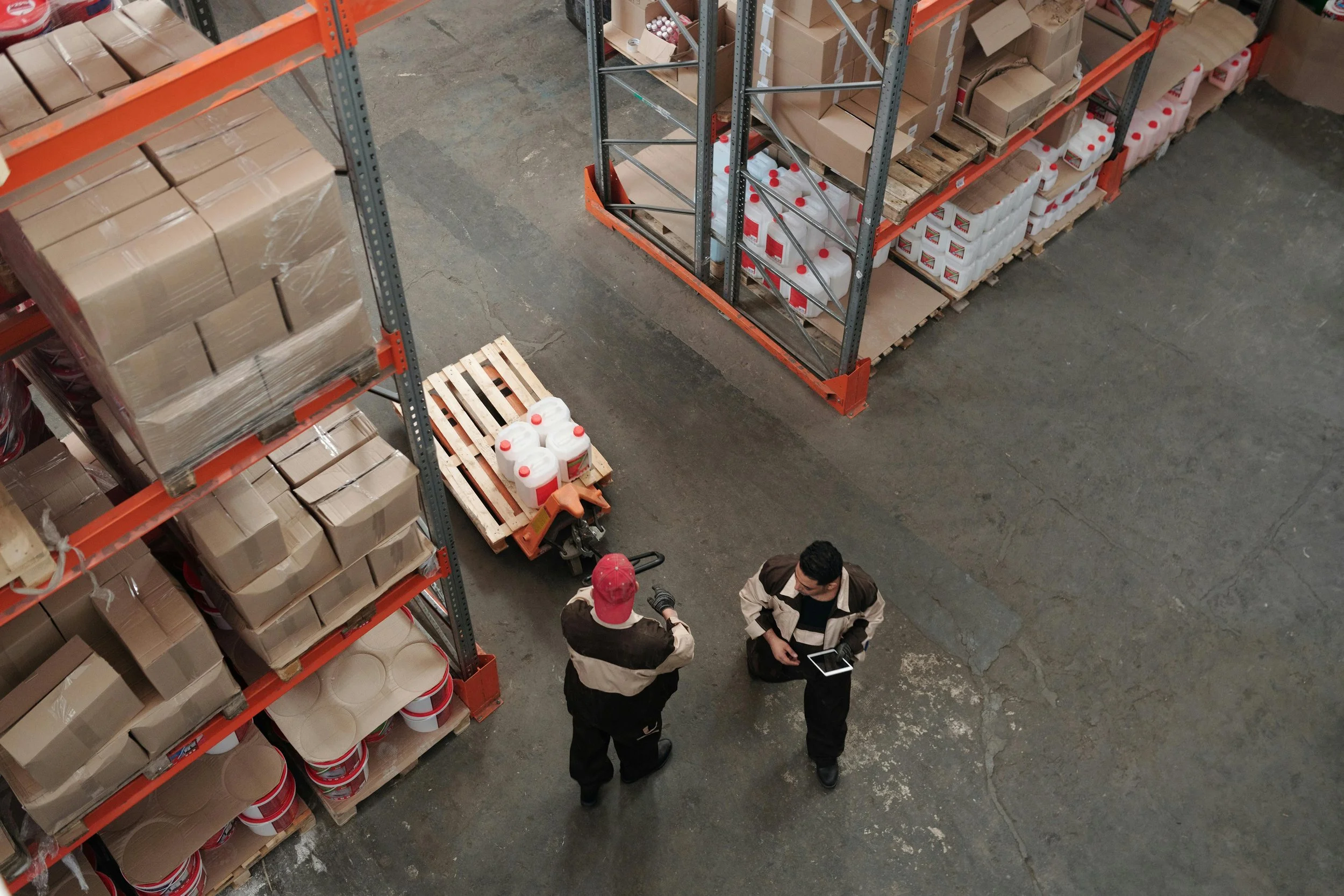
Supply chain security requires more than technology; it demands a human touch. Even the best GPS, IoT, and AI tools fall short without proper training, clear roles, and a proactive culture. By blending cutting-edge tech with employee engagement and ethical leadership, companies can prevent cargo theft and losses. Discover how fostering trust and empowerment maximizes risk mitigation efforts.
Preventing Cargo Loss with Active Monitoring
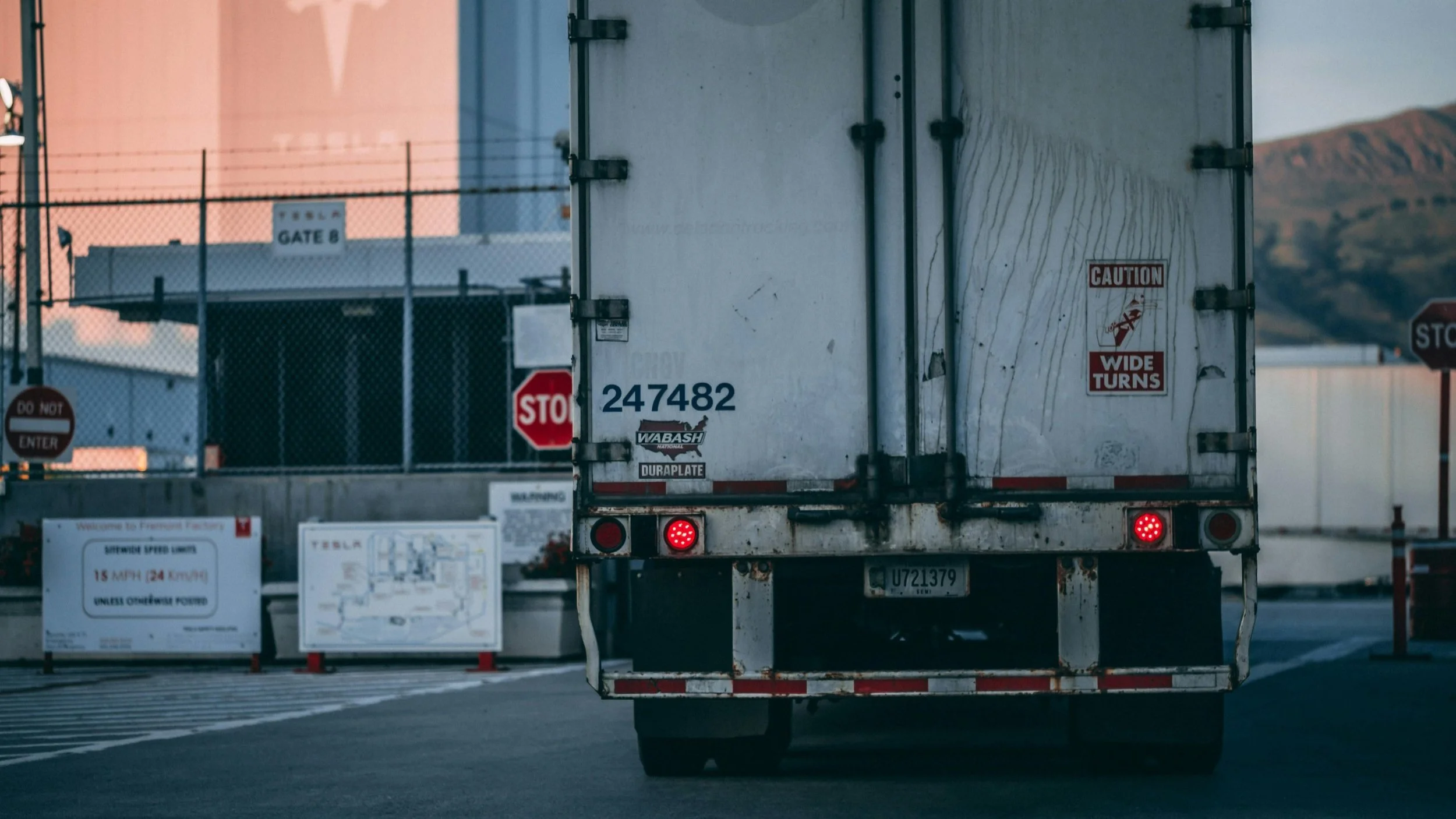
Active monitoring during deliveries is key to safeguarding cargo from theft and losses. By using GPS tracking, onboard cameras, and environmental sensors, businesses can secure shipments in real-time. Explore how combining these technologies with driver training and proactive risk management strengthens overall supply chain security, ensuring smooth operations and peace of mind.

Cargo Theft During the Christmas Holidays: Risks, Trends, and Mitigation Strategies
Cargo theft during the holidays peaks as increased demand and reduced workforce presence create opportunities for criminals to exploit vulnerabilities. These seasonal challenges highlight the importance of implementing proactive measures to mitigate risks effectively. Explore how risk assessments, employee training, and advanced security tools can safeguard your supply chain this holiday season.

Beyond the Dollar Sign: The Lasting Consequences of Lost or Stolen Cargo
Lost or stolen cargo affects more than finances—it harms reputation, disrupts operations, raises insurance costs, and stresses supply chains. These hidden consequences can destabilize businesses and erode customer trust. Explore why proactively investing in risk assessments, employee training, and advanced security measures can help organizations mitigate risks and reduce long-term damages.

Understanding Risks for Cargo Loss Across the Supply Chain
Cargo loss arises from a range of risks, including insider threats, third-party vulnerabilities, and external factors like weather and geopolitical instability. These risks are interconnected and can cause widespread disruptions across multiple stages of the supply chain. Explore how proactive risk management and data-driven strategies are key to building a resilient and robust logistics network.

The Limits of AI in Supply Chain Risk Management
Uncover the limitations of AI in supply chain risk management, especially its challenges in understanding human behavior and addressing insider threats. While AI excels at data analysis and anomaly detection, it falls short in interpreting context and qualitative risks. Discover how combining AI with human expertise creates more resilient, adaptable, and secure supply chains.

Using Data Analytics to Strengthen Supply Chain Risk Mitigation and Cargo Security
Explore how data analytics enhances supply chain risk mitigation and strengthens cargo security by identifying patterns, addressing vulnerabilities, and leveraging quality data for smarter decision-making. Learn about the challenges of data integration and the essential role of proactive, data-driven strategies in creating a resilient, secure, and efficient supply chain.
Addressing Insider Threats in High-Value Cargo Theft
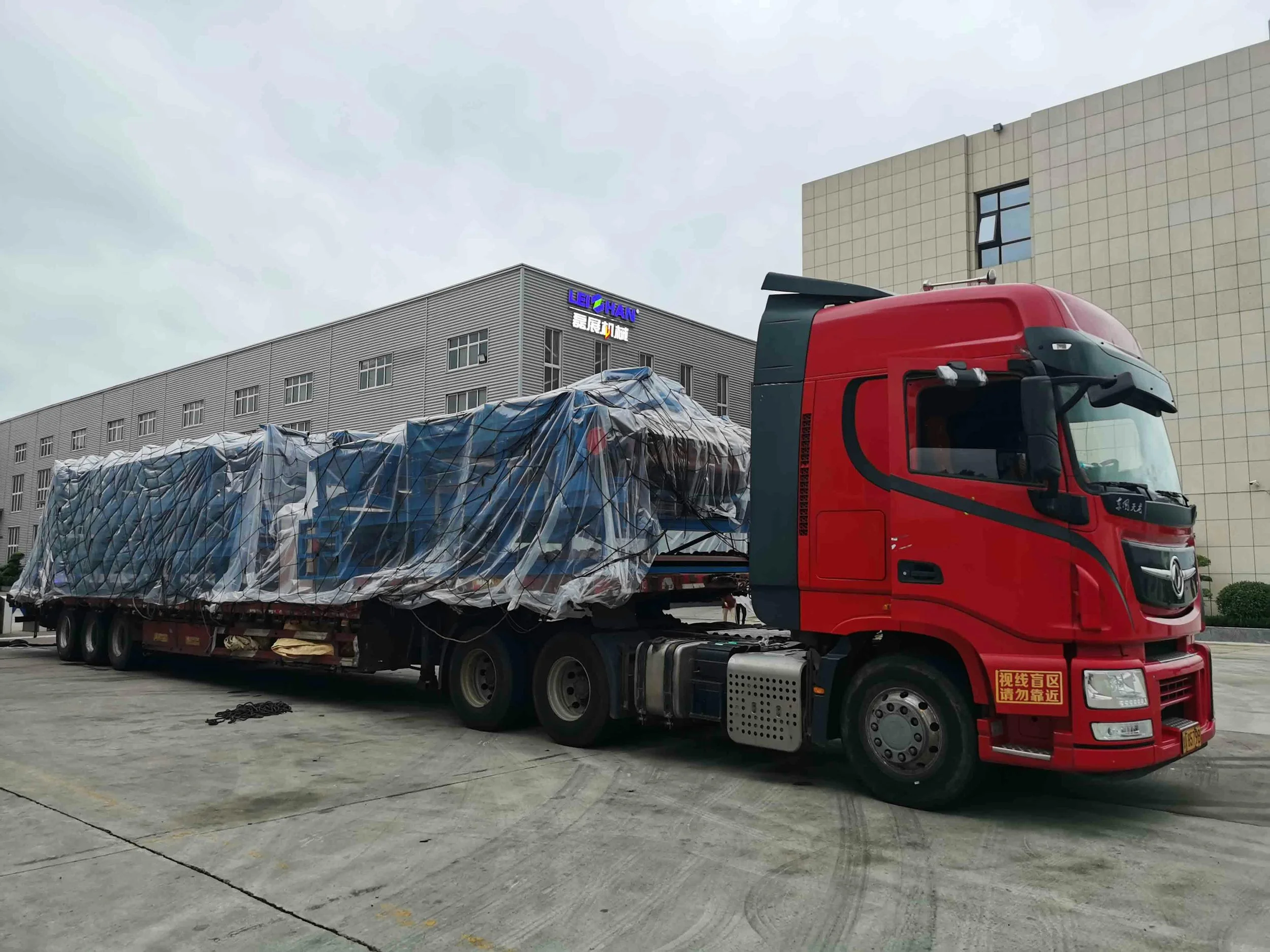
High-value cargo theft is rarely random—it's often enabled by insider threats like collusion or sabotage. Overlooking these risks leaves supply chains exposed to significant losses and reputational harm. Learn how detecting insider threats through key indicators and building a strong security framework can mitigate risks, enhance resilience, and protect high-value shipments effectively.

The Risks of Rushing Supplier Due Diligence Amid Tariff Changes
Adapting to new tariffs or sudden regulatory changes often creates urgency, driving businesses to secure suppliers quickly to stay competitive. Yet, this haste can lead to overlooked risks. Discover how skipping due diligence can leave supply chains vulnerable to disruptions that ripple through operations, harm reputations, and erode profitability—and learn how to mitigate these risks effectively.