


ARCHIVES

Risk Management in Supply Chains: Lessons from the Past Year and What Lies Ahead
Supply chain, logistics, and manufacturing risks intensified through overlapping disruptions in 2025. This article outlines key lessons learned, emerging challenges for 2026, and practical steps organizations can take to strengthen resilience and decision-making.

Why Experience Is Being Replaced by Confidence — and Why That’s Dangerous
As confidence increasingly outweighs experience in leadership selection, organizations face growing risk exposure. This article analyzes how overconfidence, optimism bias, and sidelined institutional memory weaken decision-making under pressure.

The Hidden Cost of Psychological Unsafety in High-Risk Organizations
Psychological unsafety is a critical but underestimated risk factor. This article explores how silence, fear of escalation, and weak trust environments amplify operational, financial, and security risks long before incidents become visible.
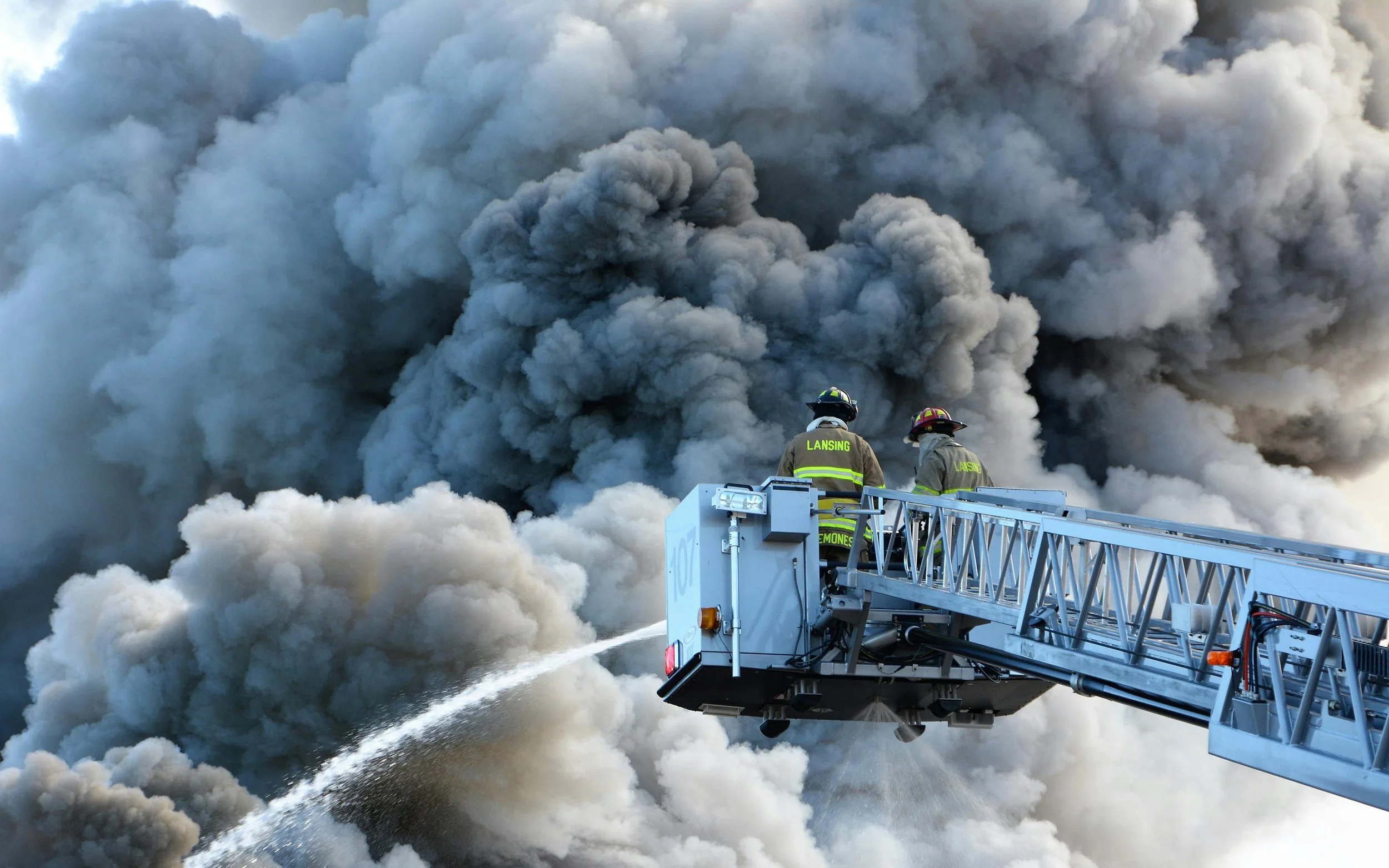
Risk Doesn’t Fail. Organizations Do.
Risk failures rarely stem from weak frameworks or controls. This article examines how leadership decisions, organizational culture, and incentive structures cause risk to accumulate quietly until it becomes unavoidable, despite mature governance and compliance programs.

Risk Culture in an Autonomous World: Aligning People, Technology, and Accountability
Building a resilient risk culture in an autonomous world requires redefining how organizations align ethics, accountability, and leadership. This article explores how automation reshapes decision-making and governance, examines the cultural and ethical challenges of autonomy, and outlines practical steps to sustain trust and responsibility in increasingly intelligent systems.

Autonomous Trucks: Emerging Risks of Theft and Fraud in the Logistics Sector
Effective management of autonomous vehicle risks requires a rethinking of operational controls, cybersecurity, data governance, and investigative response frameworks. This article examines the emerging threats of theft and fraud tied to autonomous trucking, explores real-world vulnerability scenarios, and outlines governance measures that can help mitigate these evolving risks.

Culture, Climate, and Risk: How Organizations Shape Their Own Insider Threats
When people stop paying attention, accountability slips—and that’s when insider threats find room to grow. Strong leadership, a healthy culture, and a positive workplace climate aren’t just nice to have—they’re your first line of defense. Discover how the right culture can turn everyday awareness into powerful risk management across transportation and logistics.

Technology: The Fifth Pillar of Risk Mitigation in Supply Chain and Transportation
Fraud, theft, and disruptions cost the supply chain and transportation industry billions each year. A strong risk mitigation program rests on five pillars: governance, corporate structure, culture, training, and technology. Together, they build resilience, reduce losses, and protect trust. This article offers a high-level overview of the fifth and final pillar: technology.

Training: The Fourth Pillar of Risk Mitigation in Supply Chain and Transportation
Fraud, theft, and disruptions cost the supply chain and transportation industry billions each year. A strong risk mitigation program rests on five pillars: governance, corporate structure, culture, training, and technology. Together, they build resilience, reduce losses, and protect trust. This article offers a high-level overview of the fourth pillar: training.